Why Auroria?
A card game built around position, timing, and choice
There are plenty of trading card games. Auroria is built for players who want their decisions on the board, their ideas in deck building, and their voice in the game's future to genuinely matter.
- Position-based combat
- Set 1 four-copy collection goal
- Support between major sets
- Community-shaped development
The Game Plays Differently
The battlefield is more than a row of cards
Auroria is designed so that decisions matter before, during, and after combat. Winning is not only about drawing the strongest card — position, timing, movement, and the order of your actions can change an entire turn.
Position Matters
Where a card stands changes what it can do
In Auroria, where you place a creature changes the role it plays in battle. Your Frontline is your sword — this is where creatures normally attack, threatening the enemy Leader and exhausted enemy creatures.
Your Backline is your shield — creatures positioned there normally defend your Leader by blocking attacks aimed at them.
The tension comes from exhaustion. Declaring an attack or block can leave a creature exhausted, and any exhausted creature can become a legal attack target whether it is in the Frontline or Backline. Moving between lines changes what a creature is best positioned to do, while keywords such as Ranger and Defender can break the normal positional rules.
Opponent
You
Leaders Are Part of the Battle
Your leader is not just a life total
In Auroria, your Leader is an active part of the fight. Leaders can attack, shape the deck, and influence how the whole strategy plays — while following their own combat rules.
Leaders do not exhaust when they attack, and they can always be attacked in return. That means your leader is both a weapon and a target every turn, not a passive number sitting behind your creatures.
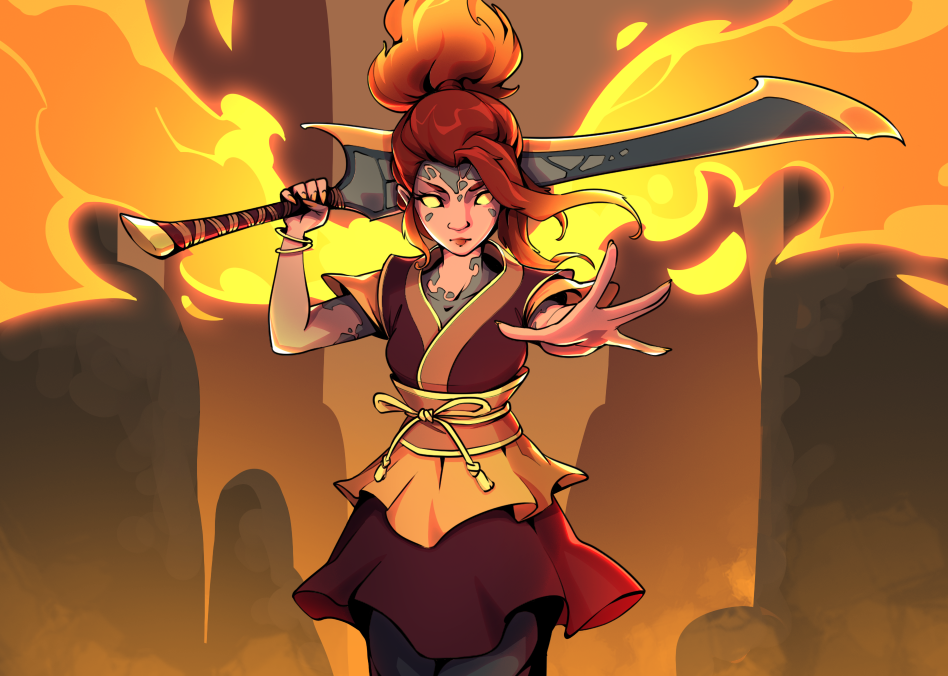
Kiandra
Leader of the Burning Valley
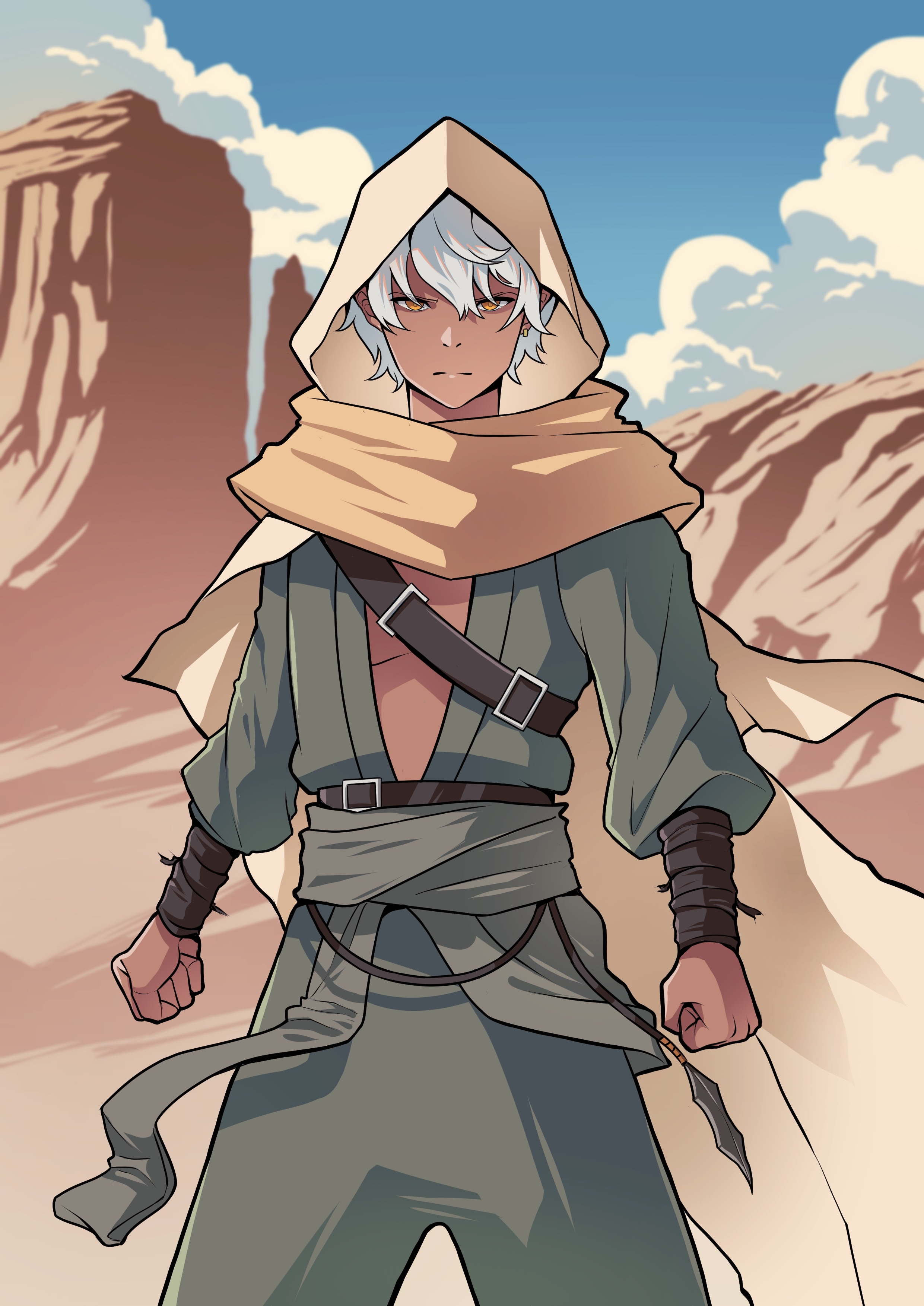
James
Prophet of Korah
Both Players Stay Involved
You are not just waiting for your turn
Auroria uses mirrored action windows. When the turn player draws, places Energy, or takes a Main Phase action, the opponent often receives a matching opportunity — so the non-turn player keeps making meaningful decisions instead of sitting through an uninterrupted turn.
The active player still controls the pace and can choose to deny a window by skipping that action. It is a balance of tempo and permission — and it keeps both players alert on every phase.
Draw Phase
If you draw, your opponent may also draw.
Skip your draw to deny it.
Energy Phase
Place Energy, and your opponent may place Energy too.
Skip Energy to deny it.
Main Phase
Play a card, and your opponent may respond with a matching action.
Pass to keep the window closed.
Deck Identity, Not Just Color
Build around more than one matching color
Auroria cards carry three kinds of identity — color, race, and trait. Many cards interact with more than one of them, so deck construction can create connections that go beyond simply matching a single color.
Color
The five colors of Auroria each carry their own playstyle and energy.
Race
Humans, elves, orcs, dragons, and more bring their own identity to a deck.
Trait
Warriors, assassins, rangers, mages, and pirates open synergies beyond color.
A Set 1 Collection Goal
A goal to reach, not an endless chase
For Set 1, Auroria's goal is to provide a clear path toward owning four copies of every Set 1 card. Four copies match the maximum number of a non-Leader card a legal deck can use — giving players the freedom to experiment with the complete first card pool instead of building around whatever they happened to find.
Important: this four-copy collection goal applies to Set 1 only. It is not a promise that every future set will use the same model, and a single Set 1 product does not contain four copies of every card — it is a collection goal to work toward, not a single purchase.
Four copies
The most a non-Leader card can appear in a legal deck.
Set 1 only
This collection goal is for Set 1 — not a promise for future sets.
Room to explore
Work toward the full first card pool instead of chasing random pulls.
A Living Game Between Sets
Support between the big releases
A set should not disappear the moment it launches. Major releases are milestones, but they are not the only time the game should feel alive. Auroria is being built around continued support between larger sets — smaller additions, rules and balance attention, new deck ideas, organized play, and new ways to experience the world.
Balance & rules
Continued attention to rules clarity and card balance.
Organized play
Support for local events and the Ascension competitive scene.
World & lore
New regions, characters, and stories between major sets.
Community
Discussion, tools, and ways to experience the world together.
Built With the Community
Not behind a wall
Joining Auroria early means joining before every answer is permanently decided. Community feedback can help surface unclear rules, unhealthy interactions, overlooked strategies, missing tools, and the parts of the world players most want to explore. Listening does not mean every suggestion becomes a rule — it means ideas are heard, tested, and treated as part of the work.
Be Part of Something Early
Join while the world is still growing
Auroria is still small, and that is an opportunity rather than a drawback. Players who join now can take part while the game is still being shaped — sharing feedback that reaches the project directly, watching the world expand, and helping a new community take root.
This is not a promise of what Auroria will become or an investment in any outcome. It is an invitation to be part of a project early enough that your participation can be visible — and to help it grow into something worth staying for.
The Bigger Project
The card game is the root — not the ceiling
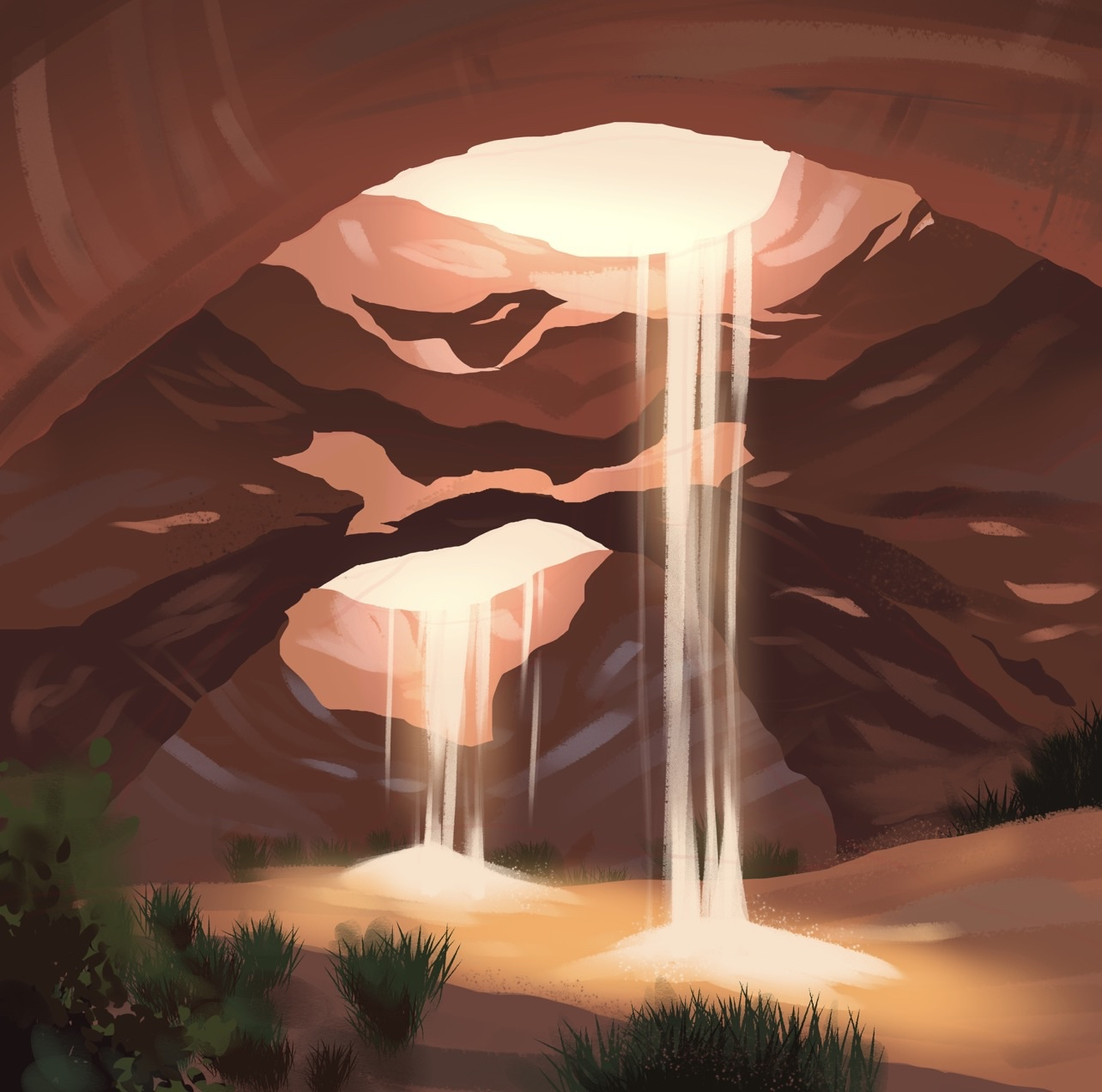
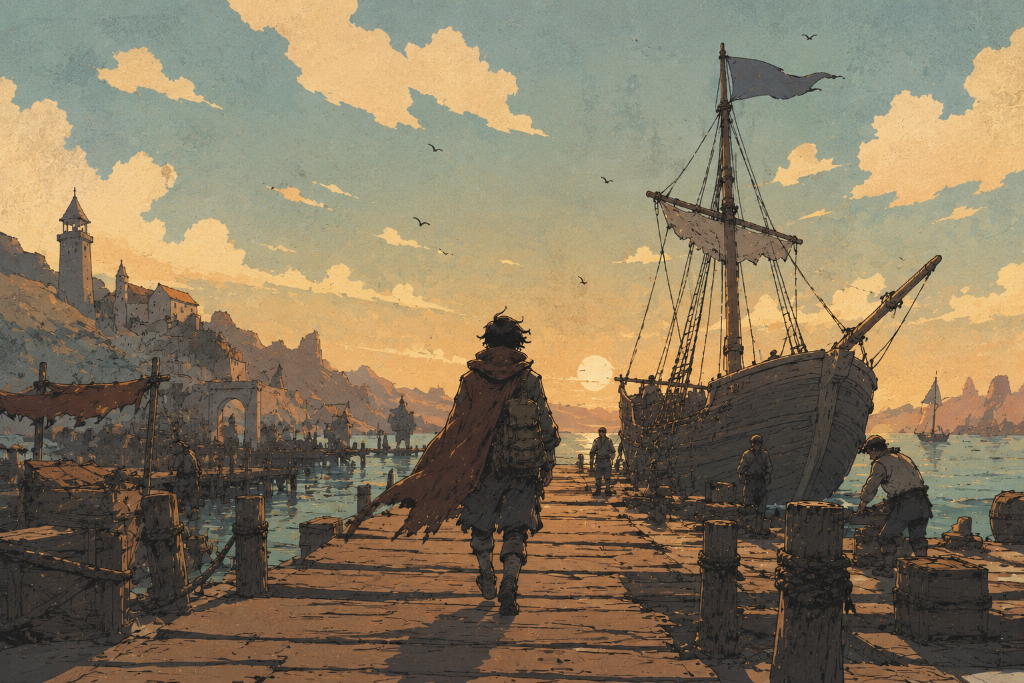
Auroria begins with the trading card game, but the long-term ambition reaches further. The regions, gods, wars, outcasts, and ordinary people of the world are being built as one connected setting that can support many kinds of stories. The hope is to earn the chance to grow that world into larger and deeper experiences over time.
That is a vision, not a finished product. What exists today is the card game and the experiences below.
The Underdog's Invitation
Every world starts small
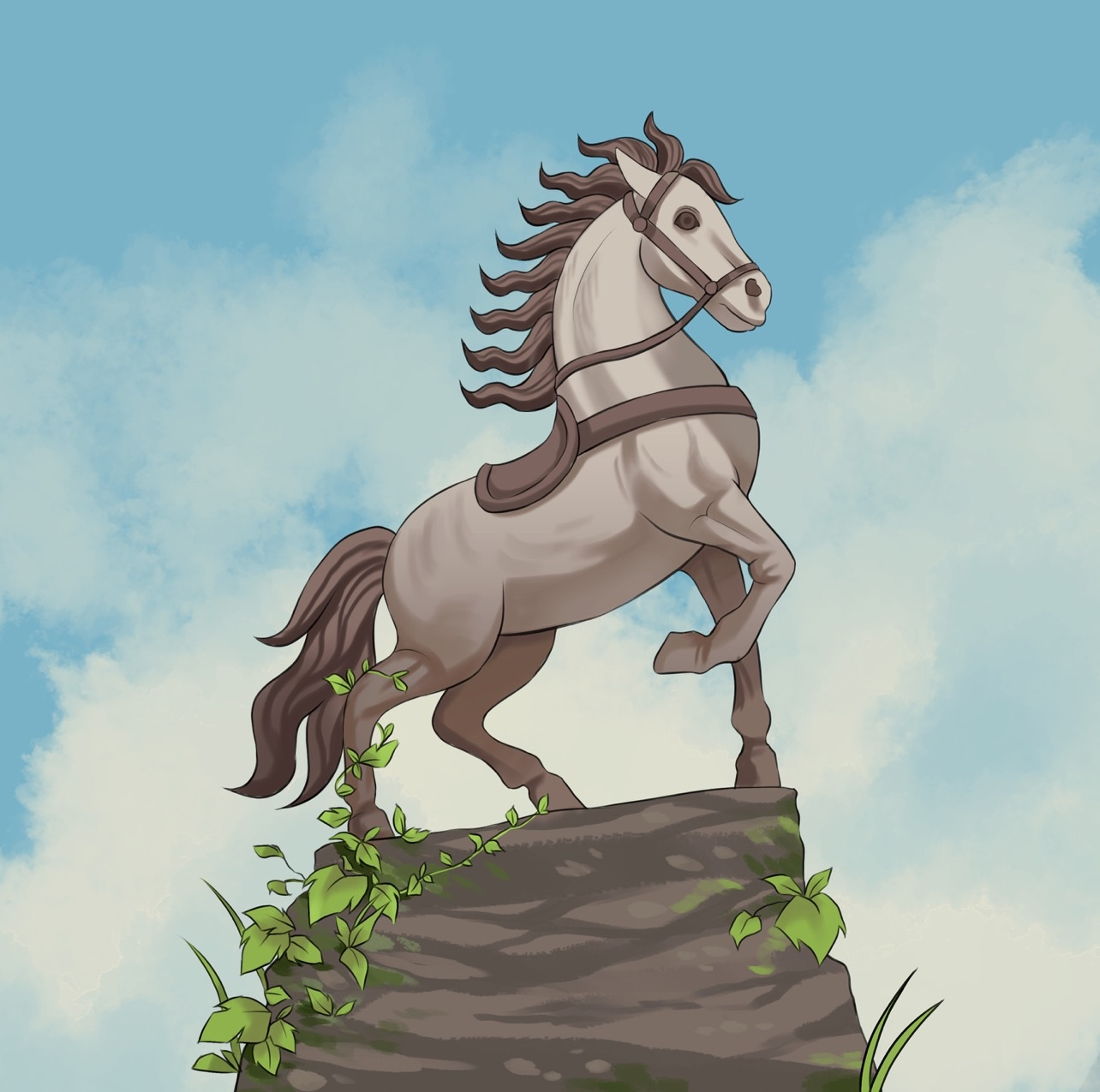
Auroria is an independent project trying to earn its place — built without the resources of an established publisher, but with the freedom to listen, experiment, and grow. If the game gives you a reason to stay, bring your ideas with you.